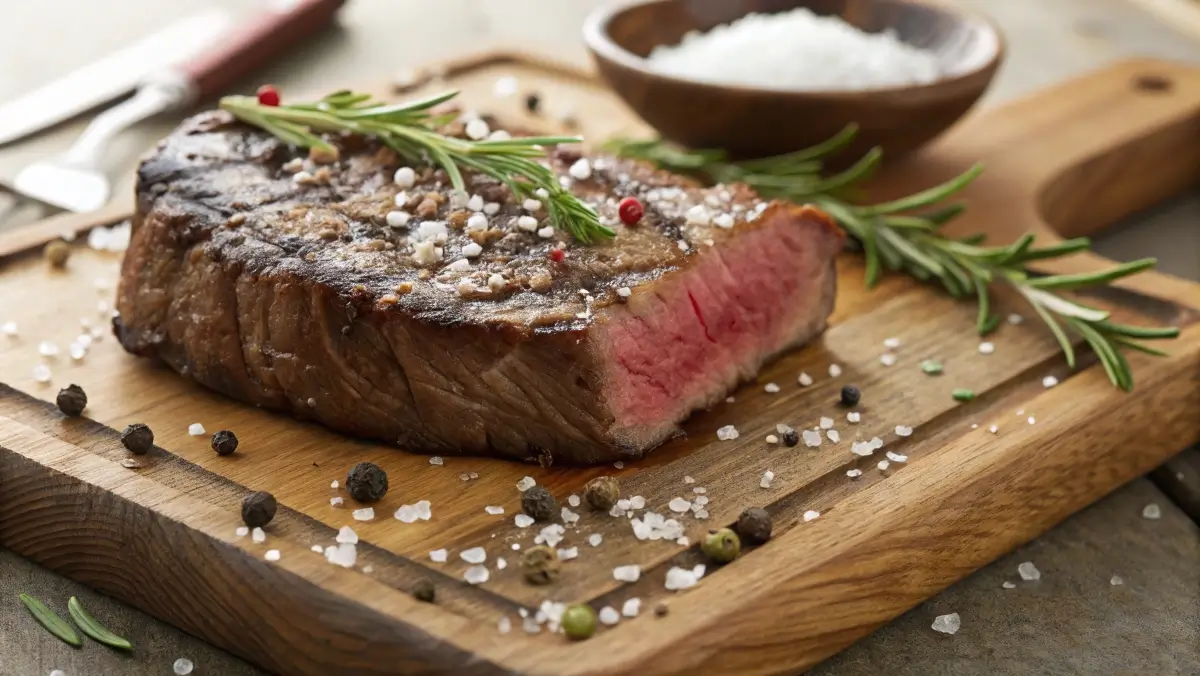
The Art of Steak Seasoning: Unlock Flavor, Crust & Tenderness
Transforming a raw cut of beef into a culinary masterpiece is an endeavor that transcends mere cooking – it's an art. At the heart of this transformation lies the perfect steak seasoning recipe. Far from a simple sprinkle, the right blend of spices and herbs can elevate an ordinary steak to an extraordinary, melt-in-your-mouth experience, bursting with flavor, boasting a tantalizing crust, and retaining incredible tenderness.
This comprehensive guide delves into the secrets of exceptional steak seasoning. We’ll explore the science behind why certain spices work wonders, uncover chef-inspired blends that bring steakhouse quality to your home, and equip you with the knowledge to avoid common pitfalls. Whether you favor a sizzling pan-seared ribeye, a perfectly grilled sirloin, or a slow-smoked brisket, mastering the art of seasoning is your first step to steak perfection.
The Science Behind the Sizzle: Why Seasoning Matters
Before we dive into specific ingredients, it's crucial to understand *why* seasoning plays such a pivotal role in steak preparation. It’s not just about adding taste; it fundamentally alters the meat's texture, moisture, and cooking characteristics.
*
Unlocking Deep Flavor: The natural taste of beef is rich and savory, but without proper seasoning, it can often fall flat. Salt is the primary agent here. When coarse salt is generously applied to a steak, it initially draws moisture to the surface. This moisture then mixes with the salt, creating a natural brine that is reabsorbed back into the meat. This process carries the flavor of the salt (and any accompanying spices) deep into the muscle fibers, ensuring every bite is uniformly seasoned and savory. Pepper, with its sharp, aromatic kick, complements this richness, while other herbs and spices introduce layers of complexity that excite the palate.
*
Forging the Perfect Crust: A hallmark of a well-cooked steak is that irresistible, crunchy, savory crust. Seasoning plays a direct role in its formation. Salt helps to tenderize the surface of the meat and aids in the Maillard reaction – the chemical process responsible for browning and the development of complex flavors – when the steak hits high heat. Spices like paprika, garlic powder, or onion powder contribute to this flavorful "bark," locking in juices and providing a textural contrast that makes each bite utterly satisfying.
*
Enhancing Tenderness: While proper cooking technique is paramount for tenderness, seasoning contributes as well. The salt, by interacting with the meat's proteins, can subtly break them down on the surface, contributing to a more tender chew. This, combined with the crust that seals in moisture, ensures your steak remains juicy and succulent from edge to edge. It's the secret handshake between raw meat and a restaurant-quality dish.
The Foundation: Salt & Pepper – A Timeless Steak Seasoning Recipe
Ask any seasoned chef, and they’ll tell you that the best steak seasoning recipe often starts with elegant simplicity. A high-quality coarse kosher salt and freshly cracked black pepper are, for many, all you truly need to let the steak’s natural flavors shine. This classic duo enhances, rather than overwhelms, the beef.
*
Coarse Salt is Key: Coarse salt, such as kosher or sea salt, is preferred over fine table salt for several reasons. Its larger granules are easier to distribute evenly without oversaturating, and they adhere better to the meat's surface. More importantly, coarse salt has a slower, more controlled osmotic effect, allowing it to penetrate the meat effectively without drawing out too much moisture too quickly, ultimately enhancing juiciness.
*
Freshly Cracked Pepper: While pre-ground black pepper is convenient, freshly cracked pepper offers a superior aromatic complexity and a more robust, subtle heat. Grinding pepper just before use releases its volatile oils, delivering a fresher, more potent flavor that complements the richness of beef beautifully.
*
The 40-Minute Rule for Optimal Flavor: For optimal results with this fundamental
steak seasoning recipe, season your steak generously at least 40 minutes before cooking. This allows the salt sufficient time to perform its magic: drawing moisture out of the meat, forming a flavorful brine, and then reabsorbing back into the muscle fibers. If you don't have 40 minutes, it's often better to season immediately before cooking to prevent the salt from drawing out moisture without enough time to reabsorb, which can lead to a drier surface.
Beyond the Basics: Elevating Your Steak with Herbs & Spices
While salt and pepper form the unshakeable backbone, a variety of additional herbs and spices can elevate your steak to new aromatic and savory heights. These additions allow you to customize your steak seasoning recipe, adding depth, warmth, and a unique character.
*
Garlic and Onion Powders: These are staples for a reason. Garlic powder and onion powder introduce a foundational savory depth that pairs exquisitely with beef, offering a milder, more consistent flavor than fresh garlic or onion, which can sometimes burn on high heat.
*
Paprika (Smoked or Sweet): Paprika offers a beautiful color and a mild, sweet peppery flavor. Smoked paprika, in particular, adds a delightful, earthy smokiness that enhances the beef without needing a smoker.
*
Cayenne Pepper: For those who appreciate a kick, a pinch of cayenne pepper introduces a gentle warmth and subtle heat that can balance the richness of fattier cuts.
*
Dried Herbs: Rosemary and thyme are classic companions to beef. Their woody, aromatic notes infuse the meat with a sophisticated, earthy fragrance. For best results, crush dried herbs lightly in your palm before sprinkling to release their essential oils.
*
Other Great Additions: Consider a touch of chili powder for a southwestern flair, a whisper of cumin for earthy warmth, or even a hint of coriander for a bright, citrusy note. The possibilities are endless, and experimentation is highly encouraged.
Chef-Inspired Blends & Crafting Your Own Signature Mix
Many professional chefs move beyond simple salt and pepper, creating bespoke steak seasoning recipes that reflect their culinary philosophy. These blends are designed to complement the natural flavors of beef while adding layers of complexity.
For instance, renowned chefs often incorporate elements like garlic powder, smoked paprika, and a touch of cayenne to build a foundation of warmth and savory depth. Others might lean into fresh, aromatic finishes with a mix of dried rosemary, thyme, and finely ground sea salt. The beauty of these chef-inspired blends is their ability to deliver an upscale steakhouse flavor right in your own kitchen.
If you're looking to replicate famous flavors or discover new favorites, exploring specific
Best Steak Seasoning Recipes: Chef Blends & Copycat Mixes can provide fantastic starting points. Whether it's a Texas Roadhouse copycat mix or a custom blend inspired by a Michelin-starred restaurant, these recipes empower you to recreate gourmet experiences at home.
Don't be afraid to customize. Some of the most beloved steak seasoning recipes are born from a pinch of creativity and a dash of boldness. Start with a base, taste, adjust, and make it your own.
Mastering the Application: When and How Much?
Beyond the ingredients, the technique of applying your steak seasoning recipe is crucial for optimal results.
1. **Pat Dry:** Always begin by patting your steak thoroughly dry with paper towels. Excess surface moisture hinders crust formation and dilutes your seasoning.
2. **Season Generously:** Don't be shy! Beef can handle a significant amount of seasoning. Sprinkle your blend from a height of 10-12 inches to ensure an even coating. Think of it as a light snowfall over the entire surface of the steak.
3. **Cover All Sides:** Ensure every surface – top, bottom, and edges – receives an even layer of seasoning. The edges are often neglected but contribute significantly to the overall flavor and crust.
4. **Timing is Everything:** As discussed, the 40-minute window before cooking is ideal for salt penetration. If you can't manage this, season immediately before the steak hits the pan or grill to avoid the "sweating" phase that can pull moisture out without reabsorption.
Conclusion
The art of steak seasoning is a journey of discovery, blending time-honored techniques with personal flair. From the fundamental pairing of coarse salt and freshly cracked pepper to the nuanced complexities of chef-inspired blends, mastering your steak seasoning recipe is the key to unlocking extraordinary flavor, achieving that coveted crispy crust, and ensuring every bite is tender and juicy. By understanding the science and embracing experimentation, you can transform a simple cut of beef into a restaurant-quality masterpiece, making every steak night an unforgettable culinary event. So grab your spices, unleash your creativity, and savor the sublime results.