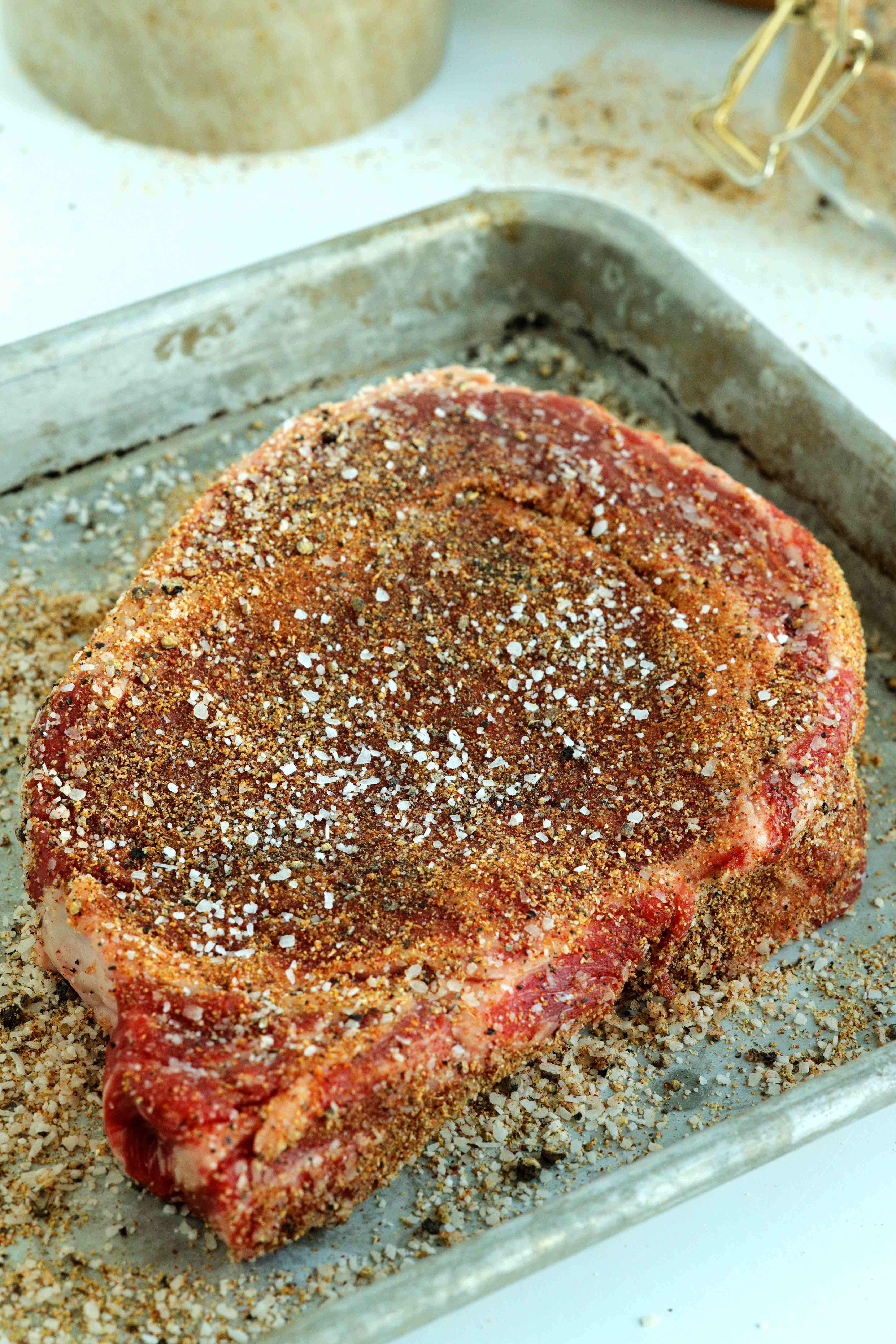
Season Steak Like a Pro: Gourmet Flavor for Any Cut of Beef
Transforming a simple cut of beef into a culinary masterpiece isn't just about the cooking; it's an art that begins long before the pan sizzles or the grill grates heat up. The secret handshake between a chef and a diner, the whisper of something special to come, lies in one crucial step: seasoning. A well-executed steak seasoning recipe is the bridge between raw meat and a restaurant-quality dish, promising a melt-in-your-mouth, flavor-packed experience from the first bite to the last. This guide will explore how to unlock that gourmet potential, ensuring every steak you cook is nothing short of extraordinary.
The Culinary Alchemy: Why Seasoning Your Steak Is Non-Negotiable
At its core, steak seasoning is more than just sprinkling a few spices; it's a fundamental process that elevates the natural, rich, and savory taste of beef. Without it, even the finest cut can fall flat. The star player in this culinary alchemy is undoubtedly salt. When properly applied, coarse salt doesn't just add flavor; it works wonders on the meat's texture and juiciness:
- Moisture Management: Salt initially draws out moisture from the steak's surface.
- Brine Creation: This moisture mixes with the salt, creating a natural brine.
- Flavor Penetration: Over time, the brine is reabsorbed by the meat, carrying the salt's flavor deep within the muscle fibers. This process, known as dry brining, enhances juiciness and flavor from the inside out.
Beyond salt, freshly cracked black pepper introduces a sharp, aromatic kick that beautifully complements beef's richness. But the magic doesn't stop there. Other herbs and spices layer in complexity, creating a harmonious symphony of flavors:
- Flavor Depth: Garlic powder and onion powder introduce savory, umami notes that deepen the beef's natural taste.
- Smoky Undertones: Paprika, especially smoked paprika, can impart a subtle smokiness and a beautiful reddish hue to the crust.
- Gentle Heat: A pinch of cayenne pepper adds a touch of warmth and excitement without overpowering the meat.
- Aromatic Freshness: Herbs like rosemary and thyme infuse the steak with earthy, piney, or floral notes, creating a sophisticated aroma.
Moreover, good seasoning isn't just about taste; it significantly impacts the steak's texture. Salt tenderizes the surface, aiding in the formation of that coveted, crispy, and flavorful crust when seared at high heat. Spices, once cooked, form a delicious "bark" that locks in juices, ensuring your steak remains moist and tender. It's this thoughtful combination of flavor and texture enhancement that truly transforms an ordinary piece of beef into a restaurant-quality experience.
Crafting Your Signature Steak Seasoning Recipe: From Simple to Sophisticated
While the goal is gourmet flavor, the best steak seasoning recipe often begins with a foundation of simplicity. Ask any seasoned chef, and they'll tell you that high-quality coarse kosher salt and freshly cracked black pepper are sometimes all you need. The coarse salt adheres better to the meat and dissolves slower, allowing for better penetration, while fresh pepper offers a more vibrant, pungent flavor than pre-ground varieties. This minimalist approach allows the natural taste of the beef to truly shine.
However, for those seeking to elevate their steak game, a world of flavorful possibilities awaits. Drawing inspiration from professional kitchens, here are components commonly found in chef-inspired blends:
- The Savory Core: Garlic powder and onion powder are staples. They provide a foundational savory base that enhances almost any cut of beef. Look for granulated versions for better texture and less clumping.
- A Touch of Earth & Heat: Paprika (sweet, smoked, or hot) adds color, a hint of sweetness, and a lovely smoky depth. For those who enjoy a little kick, a dash of cayenne pepper or chili powder can add a gentle warmth without overwhelming the palate.
- Aromatic Herbs: Dried rosemary, thyme, and oregano can infuse your steak with an herbaceous fragrance and taste. Crush dried herbs lightly in your palm before applying to release their essential oils.
- Specialty Salts & Peppers: Consider experimenting with sea salt flakes for a delicate crunch or specialty peppers like white pepper for a milder, more floral note, or green peppercorns for a fresh, tangy heat.
The beauty of crafting your own steak seasoning recipe is the freedom to customize. Perhaps you prefer a robust, peppery blend reminiscent of a classic steakhouse, or a more nuanced mix with subtle herbal undertones. Don't be afraid to experiment! Start with a base of salt and pepper, then gradually add other spices, tasting and adjusting until you find your perfect blend. You can even aim to create a signature mix inspired by a beloved steakhouse's secret formula.
Pro-Level Tips for Seasoning Any Cut Like a Master
Beyond the ingredients themselves, the application and timing of your seasoning are critical to achieving pro-level results. These practical tips will help you maximize flavor and texture:
- Season Generously: This is perhaps the most crucial tip. Most home cooks under-season their steaks. You want to create an even, visible layer of seasoning across the entire surface. Think of it as a flavorful "crust" that will develop. A good rule of thumb is about 1 teaspoon of coarse salt per pound of meat, adjusted for thickness.
- The 40-Minute Rule (or Longer): For optimal results, season your steak at least 40 minutes before cooking. This allows the salt to perform its magic: drawing out moisture, forming a brine, and then reabsorbing into the meat. If you don't have 40 minutes, it's often better to season immediately before cooking (within 5-10 minutes) rather than an awkward 15-30 minute window, where moisture might be on the surface but hasn't had time to reabsorb. For thicker cuts, dry brining for several hours or even overnight in the refrigerator (uncovered) can yield even more profound results.
- Pat Dry First: Before applying any seasoning, always pat your steak thoroughly dry with paper towels. Excess surface moisture can hinder the formation of that beautiful, crispy crust and dilute your seasoning.
- Even Coverage is Key: Hold your hand high above the steak when sprinkling seasoning to ensure an even distribution. Gently pat the seasoning into the meat, but don't rub too vigorously, as this can affect the muscle fibers.
- Season All Sides: Don't forget the edges! Every surface of the steak deserves to be seasoned for a comprehensive flavor profile.
Integrating Seasoning with Cooking Technique for the Ultimate Steak
A phenomenal steak seasoning recipe is only half the battle; proper cooking techniques complete the masterpiece. The way you cook your steak directly interacts with how the seasoning performs. For instance:
- High-Heat Searing: When pan-searing or grilling at high temperatures, the salt and spices contribute directly to the formation of a rich, deeply flavored crust through the Maillard reaction. This is where the 'bark' truly develops.
- Reverse Searing: For thicker cuts, a reverse sear (cooking slowly at a low temperature, then searing at high heat) allows the seasoning to penetrate deeply during the initial low-temperature phase and then form an incredible crust during the final sear.
- Smoking/Slow Cooking: For methods like smoking, the seasoning blend melds with the smoky flavors over an extended period, creating a complex, integrated taste experience.
Whether you prefer your steak grilled, pan-seared, air-fried, or smoked, remember that the best results come from harmonizing your carefully chosen seasoning with the appropriate cooking method. Techniques like the "3-3-3 steak cooking rule" (often referring to searing each side for three minutes before a finishing step) are examples of how structured cooking further enhances the seasoned meat.
Conclusion
Seasoning a steak is truly an art, blending science with personal preference to transform any cut of beef into an unforgettable dining experience. From the fundamental pairing of coarse salt and black pepper to the intricate blends featuring garlic, paprika, and aromatic herbs, mastering your steak seasoning recipe is the key to unlocking gourmet flavor at home. By understanding the role of each ingredient, applying it generously and at the right time, and coupling it with expert cooking techniques, you can ensure every steak you prepare is tender, juicy, and bursting with flavor. So, go ahead—experiment, customize, and savor the satisfaction of seasoning like a pro!
